
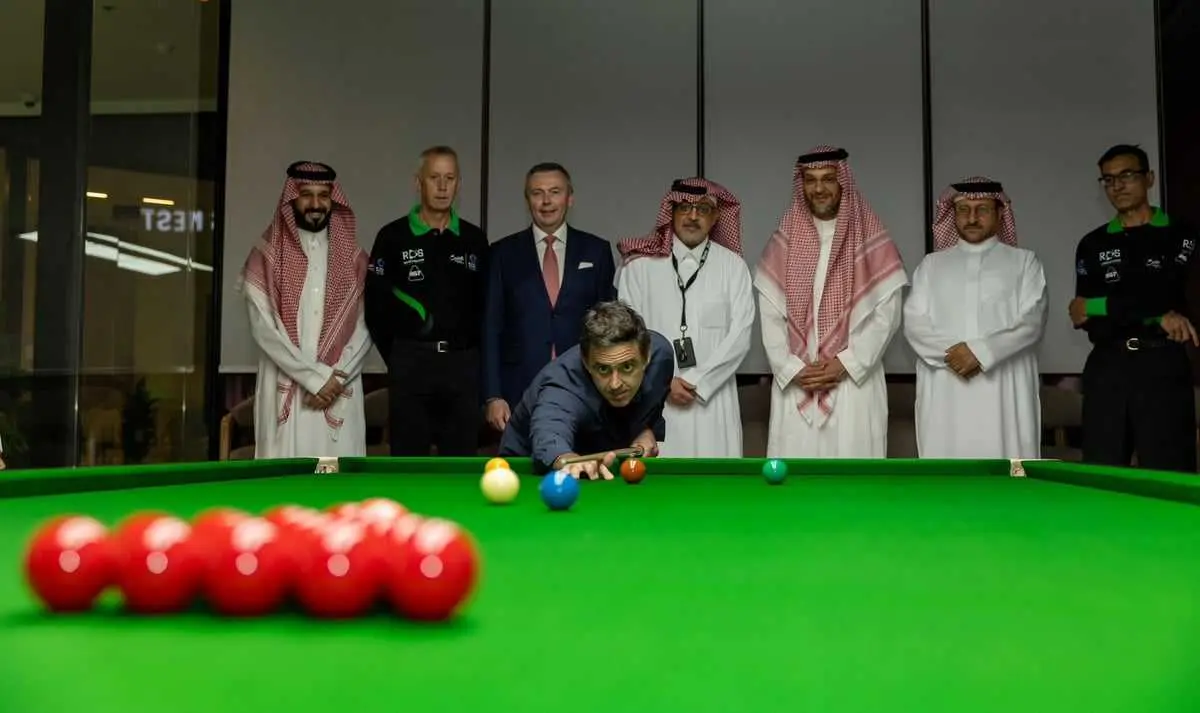
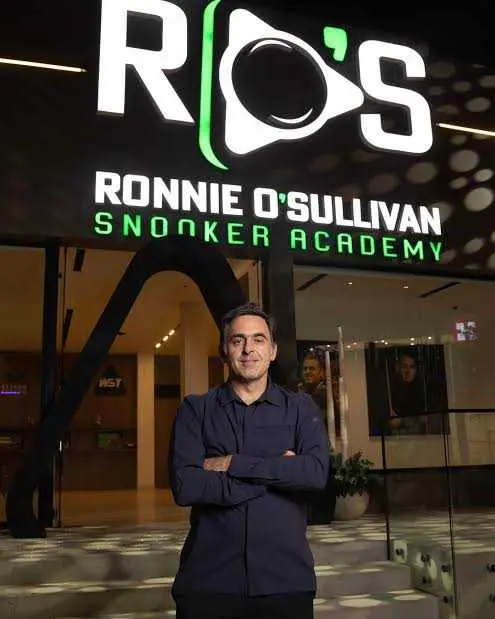
The rapidly expanding landscape of cue sports in the Middle East has found itself at the center of an unexpected international discourse, shifting the spotlight from the green baize to the complex realities of brand management and institutional integrity. At the heart of this unfolding narrative is the Ronnie O’Sullivan Snooker Academy, a highly publicized flagship institution nestled within the ultra-modern Boulevard City complex in Riyadh, Saudi Arabia.
Established as part of a grand vision to unearth and cultivate the next generation of regional snooker talent, the academy recently became embroiled in a fierce public controversy after an alleged student leveled serious accusations against the organization. The complainant claimed that the academy was demanding premium, exorbitant tuition fees while simultaneously delivering substandard coaching and allowing its state-of-the-art facilities to fall into a state of neglect.
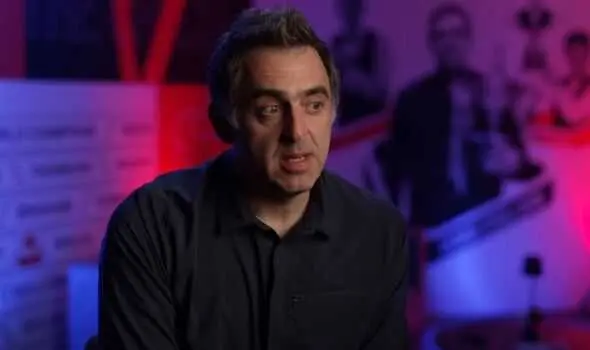
However, the narrative took a dramatic and logical turn when the seven-time world champion himself, Ronnie O’Sullivan, swiftly intervened to systematically dismantle the allegations, revealing a staggering twist that has left the global snooker community absolutely stunned.
To fully comprehend the logic of this dispute, one must examine the immense weight and expectation carried by the O’Sullivan brand, particularly in a region like Saudi Arabia, which is currently investing heavily in becoming a premier global sporting hub. When a sporting icon of O’Sullivan’s caliber attaches his name to an elite training facility, the baseline expectation from the public, investors, and aspiring players is nothing short of absolute perfection. The initial accusation struck at the very core of this reputation.
In a detailed public grievance, the disgruntled individual alleged that behind the glitzy exterior of the Boulevard City venue lay a disappointing reality where students were paying premium rates but receiving minimal guidance from qualified professionals, alongside claims that the tables and training equipment were poorly maintained. In the modern digital age, such claims can quickly gain traction, threatening to tarnish the credibility of a multimillion-dollar venture and cast a shadow over the sport’s strategic expansion into the Middle Eastern market.
Yet, rather than allowing the rumors to fester or relying on a sanitized, corporate public relations statement, Ronnie O’Sullivan chose to address the looming crisis with his characteristic directness and zero tolerance for dishonesty. In an explosive rebuttal that completely reframed the situation, the snooker legend exposed the entire complaint as an elaborate fabrication engineered by someone who had never even set foot inside the facility as a registered student. O’Sullivan laid out the stark reality of the situation, stating unequivocally that all the allegations were entirely fake and that the individual in question had never studied at the academy.
Furthermore, demonstrating the severity with which the academy’s management views this targeted smear campaign, O’Sullivan revealed that he had already escalated the matter to local law enforcement authorities to ensure the malicious act is dealt with under the full extent of the law.
The revelation that the entire controversy was birthed from a deceitful claim, rather than an actual failure in operational standards, sent shockwaves through the sporting world. Snooker fans, who are well-accustomed to O’Sullivan’s unfiltered honesty on and off the table, were left astonished by the sheer audacity of the fabricated review and the rapid, legal-heavy response it provoked. Logically, the swift involvement of Saudi law enforcement underscores a critical reality about operating high-profile businesses in Riyadh’s newly developed entertainment sectors: defamation and fraudulent public accusations are treated with extreme gravity.
By immediately turning the matter over to the police, O’Sullivan and his executive team have effectively drawn a hard line in the sand, signaling that the academy will fiercely protect its intellectual property, intellectual assets, and corporate reputation from malicious digital sabotage.
From a structural perspective, this incident highlights a growing vulnerability faced by elite sporting academies and celebrity-backed brands worldwide. In an interconnected digital economy, anyone with an internet connection can easily weaponize a false narrative to damage a premium brand’s reputation before the facts can be properly verified. The logic behind O’Sullivan’s aggressive counter-strategy becomes clear when evaluating the potential long-term damage of staying silent. If left unchecked, even a completely fabricated review regarding poor teaching quality and deteriorating facilities could deter affluent families and serious young players from enrolling in a high-cost academy.
By proving that the accuser had zero enrollment history, O’Sullivan did not just defend his personal honor; he protected the livelihoods of the legitimate coaches, staff, and partners who have worked tirelessly to establish Riyadh as a legitimate training ground for cue sports.
Moreover, this controversy sheds light on the broader, high-pressure environment that defines Saudi Arabia’s sporting revolution. Facilities like the Ronnie O’Sullivan Snooker Academy are not merely private businesses; they are high-profile components of a national strategy to diversify the economy and foster a localized sports culture. Therefore, any public perception of operational failure or exploitation regarding high fees could have political and cultural ramifications. The fact that the academy possesses cutting-edge technology, pristine Star snooker tables, and structured curricula developed by world-class minds makes the anonymous smear attempt look increasingly like a calculated effort to disrupt the sport’s regional momentum.
O’Sullivan’s transparent handling of the situation has ultimately flipped the narrative, converting a potential public relations disaster into a powerful demonstration of the academy’s resilience, strict operational oversight, and commitment to the truth.
As the legal proceedings unfold in Riyadh, the global snooker community is beginning to process the deeper implications of this event. While the initial headlines threatened to expose a scandal regarding teaching quality, the logical conclusion of the saga reveals a much different story—one of a world champion standing fiercely behind his namesake institution and refusing to let fraudulent claims undermine a transformative sporting project. The Ronnie O’Sullivan Snooker Academy continues to operate at full capacity in Boulevard City, its reputation ultimately bolstered by the decisive clarity with which this digital storm was weathered.
The fans who were initially stunned by the allegations have now rallied behind the icon, recognizing that true integrity in sports administration means confronting falsehoods head-on and ensuring that the sanctity of the sport remains uncompromised by external malice.
Given how easily a completely fabricated accusation managed to spark a major international controversy and threaten the reputation of a premium facility like the Ronnie O’Sullivan Snooker Academy in Riyadh, do you think high-profile sporting institutions should rely strictly on swift legal action and law enforcement to handle fraudulent online reviews, or should there be a more transparent, publicly accessible verification system implemented by sports brands to instantly prove the legitimacy of student and athlete grievances?