
Team Canada Parts Ways with Jon Cooper Following Heartbreaking Olympic Final Loss to USA
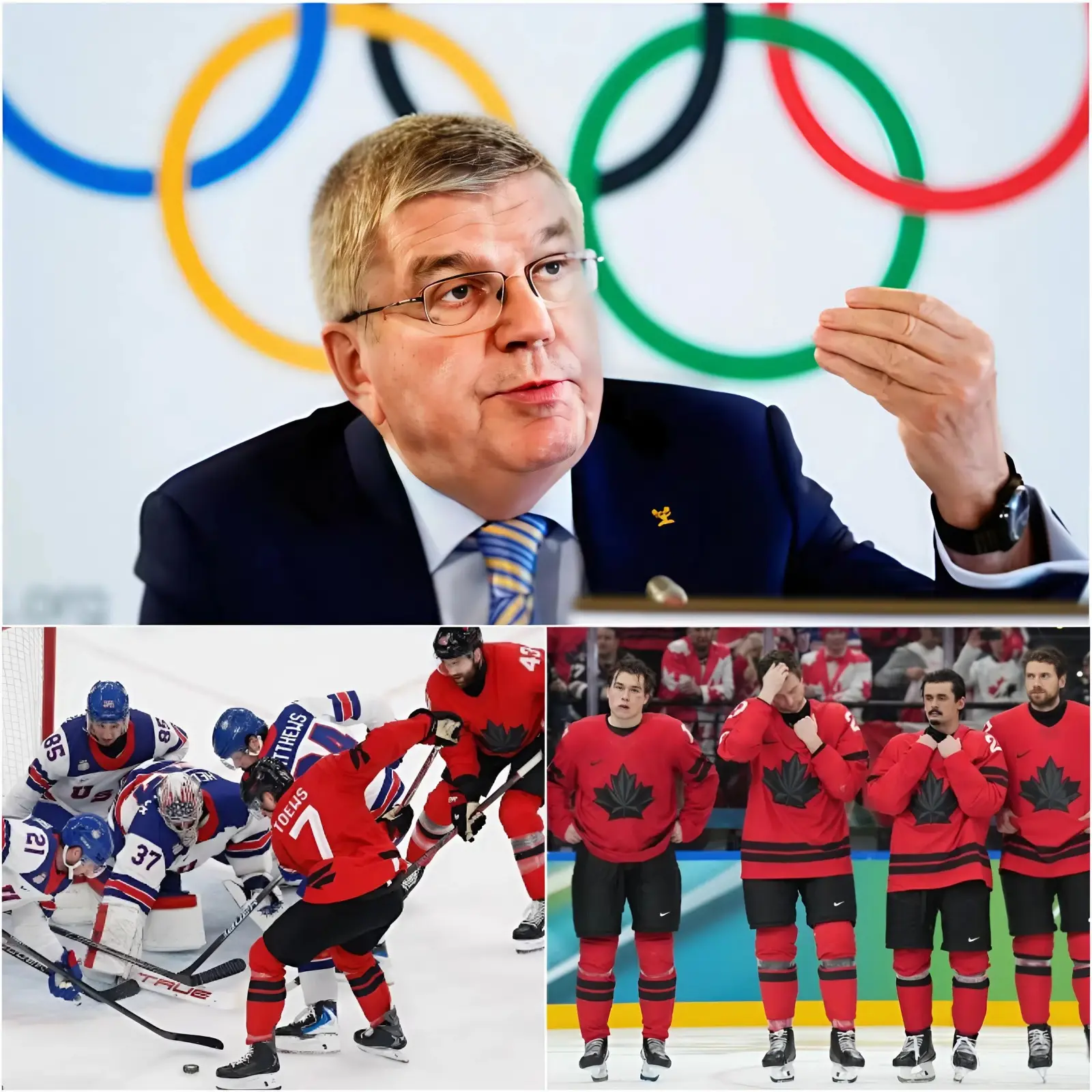
In the aftermath of one of the most dramatic and emotionally charged men’s ice hockey gold medal games in Olympic history, Hockey Canada has confirmed the immediate departure of head coach Jon Cooper. The announcement came over the weekend, just days after Team Canada’s narrow 2-1 overtime defeat to the United States in the final of the 2026 Winter Olympics in Milano Cortina, Italy.
The decision marks a stunning and swift end to Cooper’s tenure leading Canada’s national men’s team, a role he assumed with high expectations after guiding the squad through the 2025 4 Nations Face-Off victory and into the Olympic tournament. Despite a tournament filled with dominant performances and individual brilliance, the silver medal finish proved unacceptable to the organization’s leadership, prompting the coaching change.

The gold medal game itself will be remembered as an instant classic. Played on February 22, 2026, at Santagiulia Arena, it pitted two hockey powerhouses against each other in a contest that echoed the intensity of past rivalries. The United States struck first in the opening period when Matt Boldy found the back of the net, giving Team USA an early lead that silenced much of the pro-Canadian crowd. Canada responded strongly in the second frame, with Cale Makar tying the game on a powerful shot that showcased the team’s offensive depth and resilience.
From that point onward, the matchup became a goaltending duel for the ages. Canada’s Jordan Binnington and the United States’ Connor Hellebuyck traded highlight-reel saves, with Hellebuyck particularly standout in turning aside 41 shots overall, many during extended Canadian pressure in the second period where Canada held a significant shot advantage. The regulation clock expired with the score knotted at 1-1, forcing the game into sudden-death overtime under the IIHF’s 3-on-3 format—a rule change for these Olympics that drew post-game criticism from Cooper himself.
In the extra session, just 1:41 in, Zach Werenski delivered a cross-ice feed to Jack Hughes, who buried a precise shot through the five-hole past Binnington for the golden goal. The tally not only clinched the victory for the Americans but also delivered their first men’s ice hockey Olympic gold since the legendary “Miracle on Ice” triumph over the Soviet Union in 1980—exactly 46 years to the day.
Hughes, the New Jersey Devils star and one of Team USA’s leading scorers in the tournament, emerged as the hero. He finished with four goals overall in Milano Cortina and celebrated modestly afterward, even laughing off the loss of a tooth sustained earlier in play while calling the moment a dream come true for American hockey. The win capped a resilient run for the U.S., which overcame challenges throughout the knockout stages, including a tense quarterfinal and semifinal path, to reach the pinnacle.
For Canada, the defeat stung deeply. The team had entered the Olympics as heavy favorites, boasting a roster stacked with NHL superstars including tournament MVP Connor McDavid, whose dynamic playmaking and scoring earned him the individual honor despite the silver outcome. McDavid’s performance throughout the event—including key contributions in earlier wins—was widely praised, but the collective failure to secure gold overshadowed individual accolades.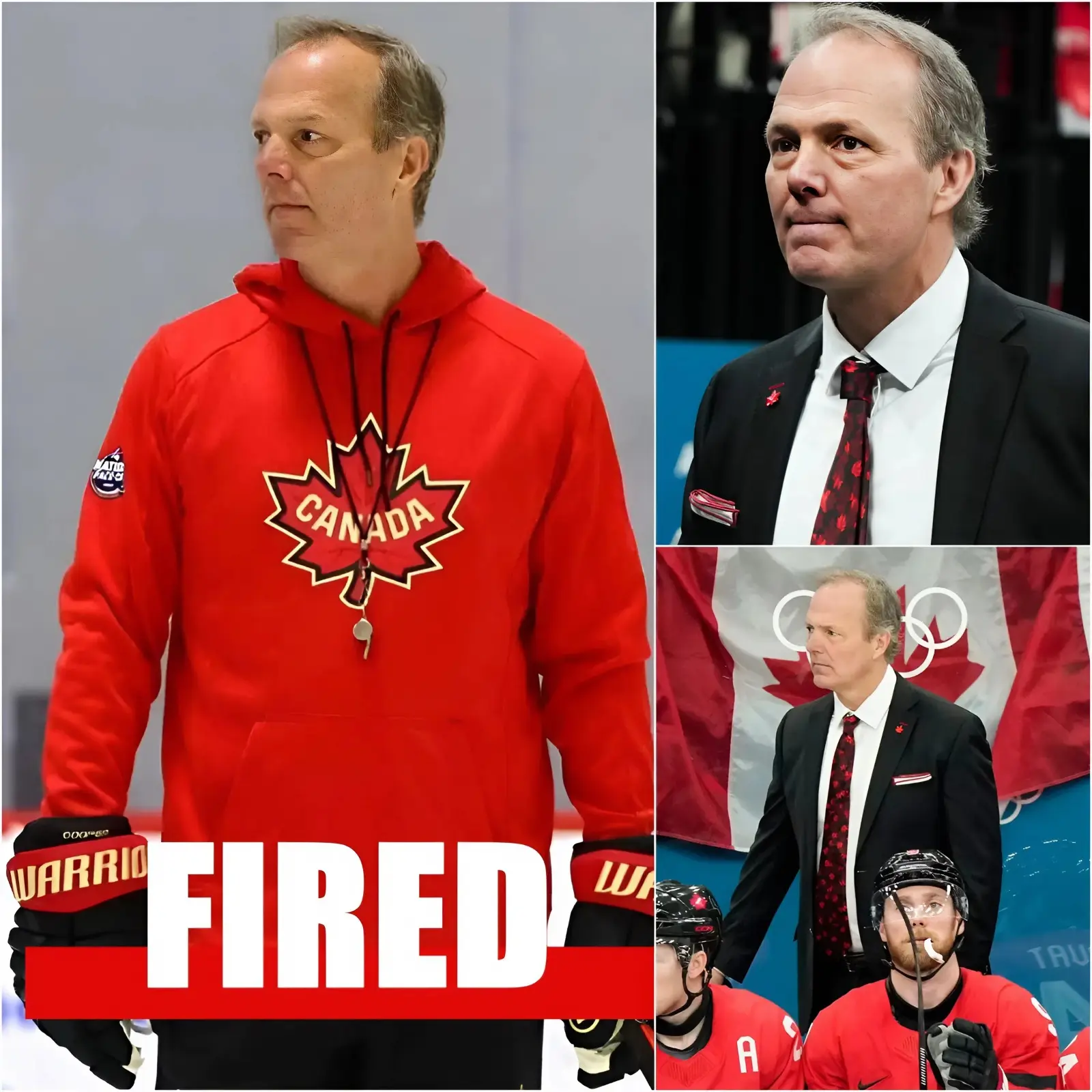
Canada controlled large swaths of the final, outshooting the U.S. and generating high-danger chances, yet they could not solve Hellebuyck consistently. Captain Sidney Crosby, dealing with a lower-body injury from the quarterfinals, was notably absent from the lineup, a blow that impacted leadership and depth. Post-game reflections from players and staff emphasized pride in the effort—”a flawless performance by a group that bled red and white,” as Cooper described it—but the result left an indelible mark.
Cooper, the veteran Tampa Bay Lightning bench boss known for his tactical acumen and success in winning two Stanley Cups, faced immediate scrutiny. In his post-game press conference, he notably critiqued the 3-on-3 overtime format, calling it “TV-driven” and arguing that “hockey’s not hockey anymore” when reducing to three skaters per side. He clarified he was not using the rule as an excuse for the loss but highlighted why such formats are absent from Stanley Cup playoffs.
Those comments fueled discussions about strategic adjustments and whether the format contributed to the outcome, though many observers pointed to missed opportunities rather than rules as the decisive factor.
The announcement of Cooper’s departure came as a surprise to some, given his track record and the competitive nature of the final. Hockey Canada cited the need for fresh direction following the high expectations and the emotional weight of falling short in the biggest game. Sources indicate the move was finalized quickly, with discussions emphasizing long-term program goals ahead of future international competitions, including the 2030 Olympics.
Reactions across the hockey world have been mixed. In Canada, fans expressed disappointment and debate over whether the change was warranted after such a close contest, with many praising Cooper’s handling of a star-studded group under intense pressure. In the United States, the victory sparked widespread celebration, with Hughes’ goal already being hailed as a defining moment in modern American hockey history—a new chapter following the 1980 miracle.
As Team Canada turns the page, questions loom about the next coach, potential roster evolution, and how to reclaim dominance on the international stage. For now, the silver medals serve as a bittersweet reminder of how close glory came, while the U.S. basks in the glow of a long-awaited golden triumph.
The 2026 Olympics men’s hockey tournament delivered unforgettable drama, elite skill, and a rivalry renewed at the highest level. Though Canada exits with questions and a coaching transition, the sport’s global appeal remains stronger than ever, fueled by moments like Hughes’ golden goal that transcend borders and generations. (Word count: 1,498)